Indonesian Exporters Urge Gradual Rollout of Single-Gate Export Policy
Translator
Alfitria Nefi Pratiwi
Editor
Bardjan
Senin, 1 Juni 2026 11:32 WIB

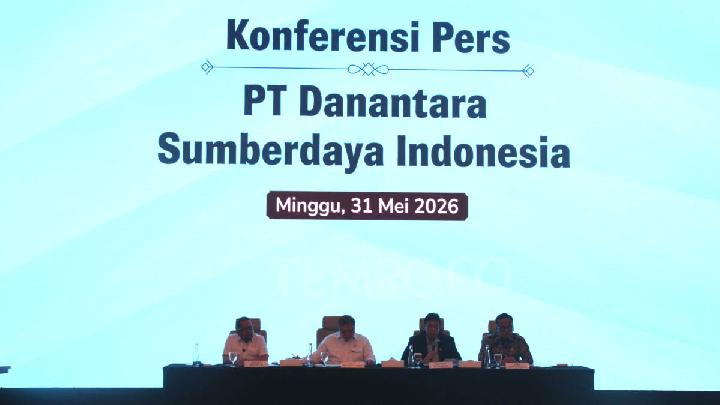
TEMPO.CO, Jakarta - Indonesian business groups have called on the government to pay close attention to the implementation of the country’s new single-gate export policy, which took effect on Monday through PT Danantara Sumberdaya Indonesia (DSI).
The appeal was made in a joint statement by several major industry associations, including the Indonesian Employers Association (Apindo), the Indonesian Mining Association (IMA), the Indonesian Coal Mining Association (APBI), the Indonesian Nickel Industry Forum (FINI), and the Indonesian Palm Oil Association (Gapki).
“To maintain industrial stability, business certainty, and the continuity of national export flows, we believe special attention should be given to several strategic aspects,” the groups said in a statement issued on Monday, June 1, 2026.
The associations first urged the government to implement the single-gate export system gradually, transparently, and accountably, while taking into account the unique characteristics of each sector.
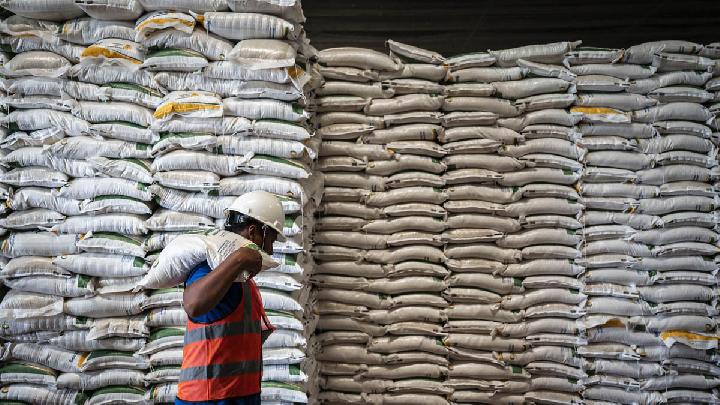
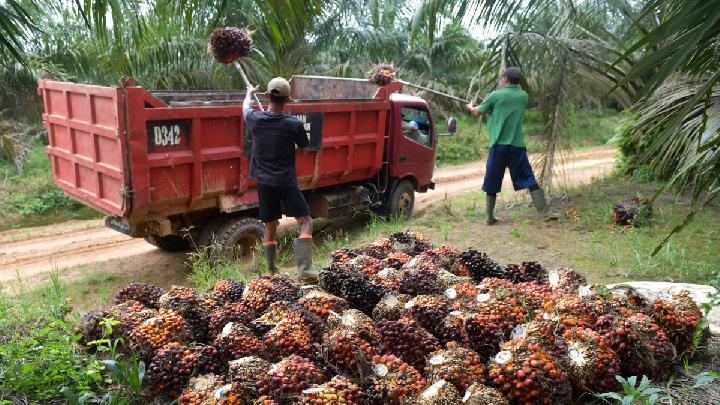
They noted that commodities such as coal, nickel, ferronickel and ferroalloys, as well as palm oil, have highly diverse contract structures, supply chains, financing mechanisms, and international buyer profiles.
To ensure a smooth transition, the groups called for export activities to continue under existing mechanisms while DSI strengthens oversight and integrates digital systems during the implementation phase.
A second concern raised by the business community was legal certainty and business continuity. The associations sought assurances regarding ongoing and long-term contracts, payment mechanisms, shipping arrangements, and insurance provisions.
They also requested clarity on foreign exchange earnings (DHE) requirements, Domestic Market Obligation (DMO) rules, and the treatment of international trade schemes.
According to the associations, the government should issue transparent technical guidelines to eliminate negative speculation and maintain international confidence in Indonesia as a reliable global commodity supplier.
The business groups further emphasized that DSI should operate in a transparent and accountable manner without creating additional costs for exporters. They urged the government to clearly define DSI’s role to strengthen trust among businesses and international markets.
The associations also called for a systemic approach to tackling under-invoicing and transfer pricing through modern information technology, with law enforcement focused specifically on violators.
In addition, they proposed the development of an integrated export platform designed as a closed-loop system covering the entire upstream-to-downstream industrial chain. The platform should be connected to all relevant government agencies while ensuring transparency, credibility, and data confidentiality for industry participants.
To facilitate implementation, the business groups suggested establishing a technical coordination forum involving the government, DSI, financial authorities, and industry associations.
The proposed forum would discuss key technical issues, including commodity coverage, pricing mechanisms, service level agreements (SLAs), payment and dispute-resolution procedures, and the stages leading to full implementation of the policy.
Finally, the associations urged the government and DSI to immediately conduct outreach to international buyers and importers to explain the new single-gate export governance system and ensure a smooth transition.
Read: Indonesia Mandates DSI Reporting for Natural Resource Exporters from June 1
Click here to get the latest news updates from Tempo on Google News