Survey Reveals Impact of Social Media on Mental Health
Reporter
March 16, 2026 | 02:12 pm

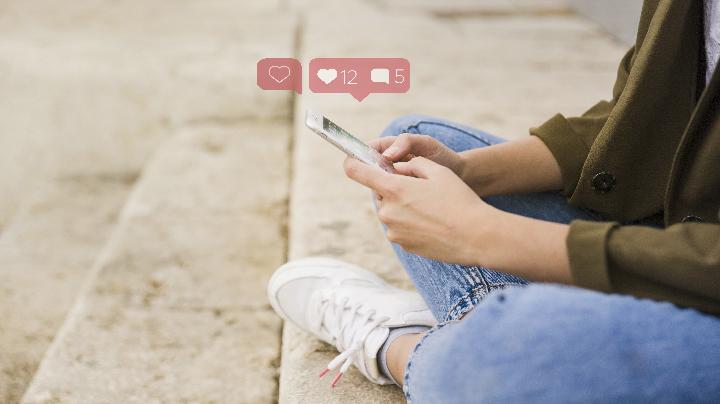
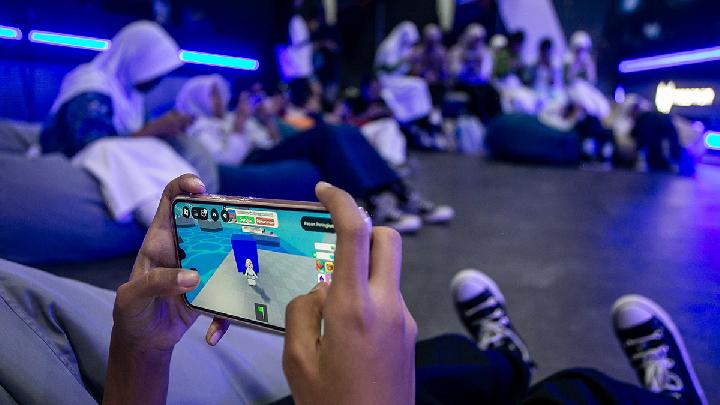
TEMPO.CO, Jakarta - Princeton University in the United States, in collaboration with Saiful Mujani Research and Consulting (SMRC), surveyed the negative influence of social media on mental health. The survey was conducted from November 17 to January 14, 2026, in two interview periods.
The survey reported that the most prevalent mental and emotional disturbances are experienced by Generation Z (Gen Z). The survey used an experimental method with a sample of social media users from 30 provincial capitals in Indonesia. A sample of 1502 respondents was randomly selected.
Executive Director of SMRC, Deni Irvani, stated that Gen Z, born after 1997, experienced the highest rate of mental and emotional disturbances, amounting to 16 percent. Meanwhile, millennials (born 1981-1996) experienced 8 percent, and Gen X (born 1965-1980) experienced 7 percent.
"Meanwhile, Boomers+ (born before 1965) experienced 7 percent," Deni said in an official statement on Sunday, March 15, 2026.
The survey titled "The Effect of Social Media on Mental Health" found that 10 percent of respondents reported poor or very poor mental and emotional health, while 90 percent reported good or very good health.
A total of 1502 randomly selected respondents were interviewed online twice in a panel format. The first interview was conducted while the respondents were actively using their social media.
Subsequently, the respondents were randomly divided into 3 groups: 1) a group of respondents asked to stop using social media after the first interview until the second interview (Group T1), 2) a group of respondents asked, along with all household members, to refrain from using social media after the first interview until the second interview (Group T2), 3) a group of respondents allowed to continue using social media as usual from the first interview until the second interview (Control Group).
The time interval between the first and second interviews was 1 month. The first interview was conducted from November 17 to December 15, 2025, and the second interview took place from December 16, 2025, to January 14, 2026. Princeton University funded the study.
The study variables included affect, life satisfaction, anxiety, depression, and sleep quality. The study results showed that Groups T1 and T2 experienced an improvement in mental health after a one-month treatment period compared to the control group.
Read: Indonesia Mulls Incentives for Social Media Age Restriction Policy
Click here to get the latest news updates from Tempo on Google News