Government Eyes Social Media for Tax Revenue After Marketplaces
Reporter
July 15, 2025 | 08:48 pm

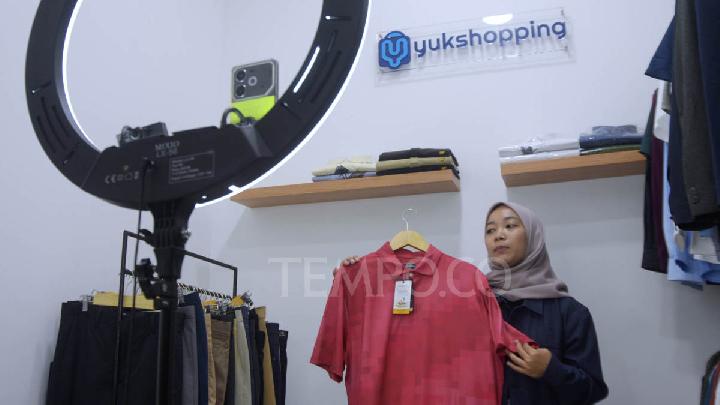
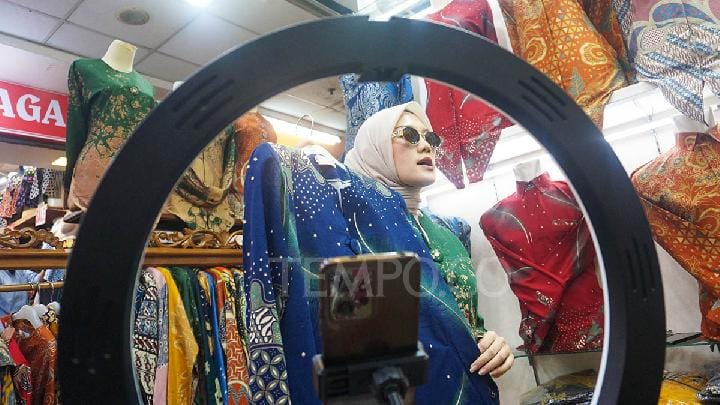
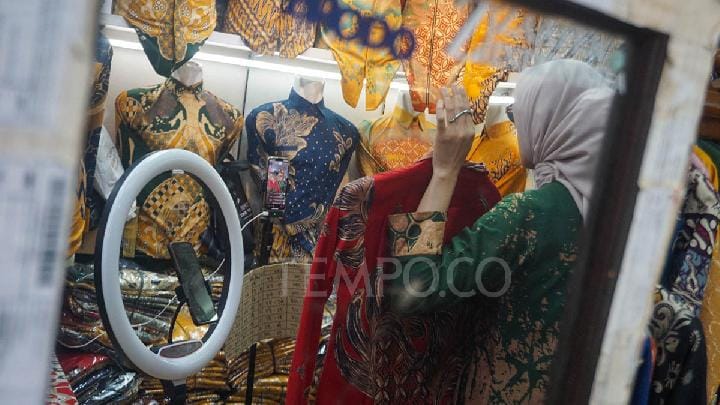
TEMPO.CO, Jakarta - The Indonesian government has officially designated e-commerce platforms, or marketplaces, as tax collectors for Income Tax (PPh 22) on online merchants. This policy is stipulated in the Finance Ministerial Regulation No. 37/2025, which became effective on Monday, July 14, 2025.
Article 4 of the regulation states, "The Minister delegates authority in the form of delegation to the Director General of Taxes to appoint other parties as tax collectors as referred to in Article 2 paragraph (1) and determine the limit of transaction value and/or traffic or access exceeding a certain amount as referred to in Article 3 paragraph (3)."
In addition to marketplaces, the government is also exploring the potential for collecting taxes from social media platforms to achieve its 2026 state revenue targets. Deputy Minister of Finance Anggito Abimanyu conveyed this during a meeting with Commission XI of the House of Representatives (DPR).
"First, the exploration of tax potential through data analytics, as well as social media," Anggito said at the Parliament Complex Senayan, Jakarta, on Monday, July 14, 2025. However, he did not elaborate on the mechanisms for exploring this tax potential.
Furthermore, the Finance Ministry plans to recommend the application of excise duty on processed food products containing sodium. They also intend to strengthen tax regulations and Non-Tax State Revenue (PNBP), as well as improve business mechanisms for export and import logistics activities.
For 2026, the government aims for a state revenue to Gross Domestic Product (GDP) ratio of 11.71% to 12.22%. Within this, the taxation to GDP ratio is expected to reach 10.08% to 10.45%, while the PNBP to GDP ratio is targeted at 1.63% to 1.76%.
Anggito outlined six strategies the Ministry of Finance will implement to support these revenue targets. The first strategy involves optimizing state revenue through joint ventures or joint business programs. These programs encompass collaborations between various echelon I units within the Ministry, as well as partnerships between echelon I units and other ministries or institutions.
According to him, this cooperation is designed to enhance analysis, examination, supervision, and collection efforts. "This is a new working direction that we have commenced in 2025 with a number of taxpayers and importers, and we will progressively expand its scope," Anggito elaborated.
The second strategy, he continued, focuses on developing business processes and increasing capacity for collecting state revenue from electronic transactions, both domestically and internationally. Thirdly, there will be an optimization of PNBP, especially from the extractive sector and business activities focused on natural resource management (SDA).
The fourth strategy involves strengthening facilities for sea patrol operations and laboratory testing to combat cross-border crime. The fifth strategy addresses the management of state asset wealth, including leveraging assistance from Bank Indonesia's liquidity.
Lastly, the Ministry plans to further develop the Mineral and Coal Information System (Simbara).
To support the realization of these state revenue targets, the Finance Ministry proposed an additional budget of Rp1.2 trillion for 2026. This brings their overall proposed budget to Rp52.017 trillion, an increase from the original Rp47.13 trillion.
On the same occasion, Deputy Minister of Finance Suahasil Nazara clarified that the initial Rp47.13 trillion budget was allocated for employee expenses, office operations, and the implementation of basic duties and functions. "And for that, we have not included strategic activities that require additional budget," Suahasil added.
Anastasya Lavenia Yudi contributed to the report.
Editor's Choice: E-commerce Association: New Tax Rules Could Impact Millions of Sellers
Click here to get the latest news updates from Tempo on Google News