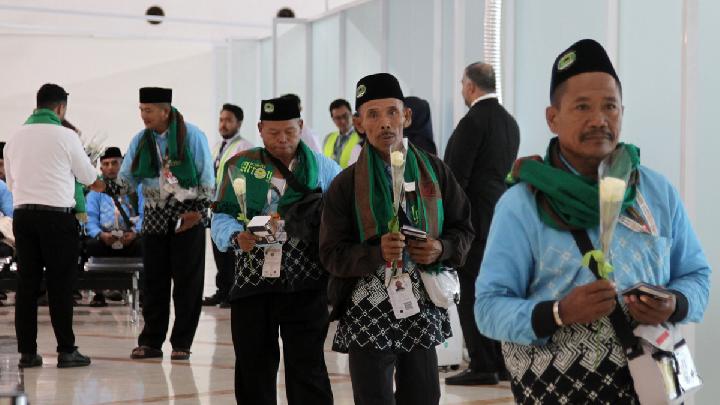
Indonesia's DPD Reports Poor Hajj Services in Saudi Arabia
Reporter
May 31, 2025 | 01:53 pm

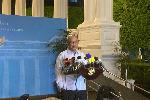
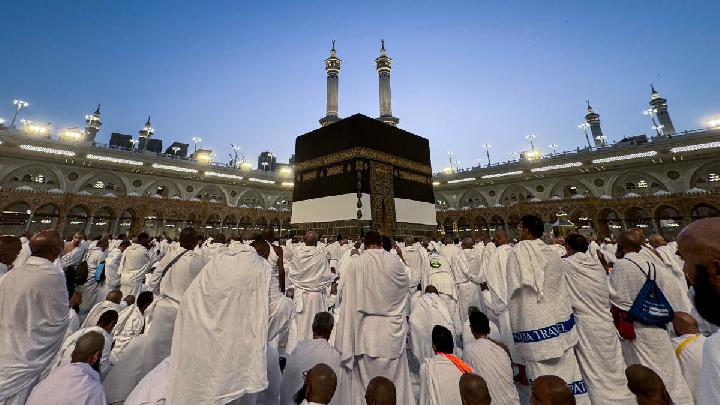
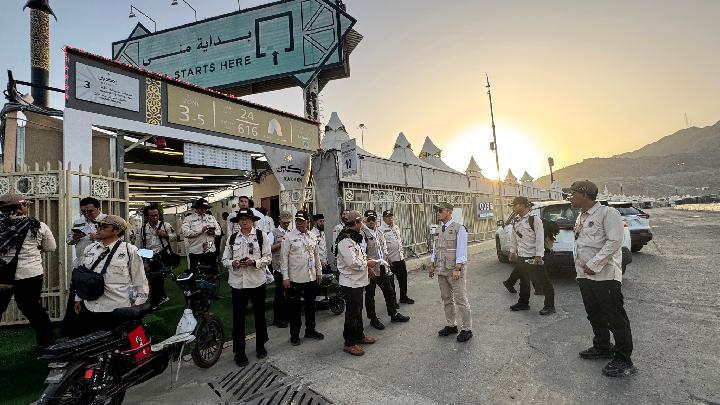
TEMPO.CO, Jakarta - The Committee III of the Regional Representative Council (DPD) criticized the poor quality of hajj services provided by Saudi Arabian partners during this year's hajj season. Deputy Chair I of Committee III of DPD Dailami Firdaus, during a field observation, found several violations of the pilgrims' basic rights.
"We have noted several on-site issues experienced by the pilgrims that must be addressed immediately. This concerns the principle of fair, decent, and humane services," said Dailami in a written statement on Saturday, May 31, 2024.
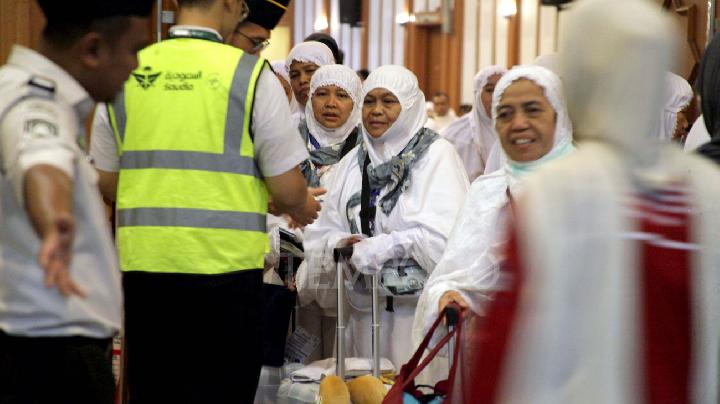
The committee found at least three major issues: First, elderly pilgrims were placed at different hotels, separated from their spouses or companions. This separation occurred due to the use of different syarikah, or service provider companies, causing psychological strain to hajj pilgrims.
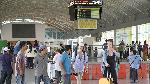
Secondly, the delay in Nusuk card distribution, an important document required to enter the holy cities of Medina and Mecca. Many pilgrims were stranded at the holy city borders because they had not received the cards, even though they had arrived according to schedule.
Thirdly, the absence of a muthowif, or pilgrimage guide, in several hajj. Without the guide, pilgrims have difficulty understanding the worship process, resulting in confusion while performing hajj and umrah rites.
"The appointment of many syarikah is legitimate as long as it does not sacrifice service quality. We need transparency in contract implementation, evaluation mechanisms, and imposition of sanctions for violations," said Dailami.
According to Dailami, Indonesia's pledge to avoid monopoly is a step in the right direction, but the implementation itself remains flawed.
The Committee III DPD urges the Ministry of Religious Affairs of the Republic of Indonesia to tighten supervision of all service organizer partners in Saudi Arabia. Dailami emphasizes the importance of a comprehensive post-hajj audit to prevent the recurrence of errors and negligence.
"The state is obliged to fully protect the pilgrims. We must not let our citizens struggle alone in their worship. This is a constitutional and humanitarian mandate," he said.
Editor’s Choice: Saudi Arabia Offers AI-Driven Services to Assist Hajj Pilgrims
Click here to get the latest news updates from Tempo on Google New