Tanjung Puting Biosphere Reserve, a Natural Laboratory in Kalimantan's Peat Swamp
Translator
Editor
September 20, 2024 | 02:50 pm

TEMPO.CO, Jakarta - Tanjung Puting Biosphere Reserve, on the island of Kalimantan, has now become one of the vital natural laboratories for scientific research and development. The reserve, which administratively slices through two regencies, Kotawaringin Barat and Seruyan, also represents peat swamp forests in Borneo.
The Head of the Tanjung Puting National Park Office (TNTP), Murlan Dameria Pane, said that the biosphere reserve has been utilized for cross-topic research, ranging from the environment, biodiversity, socio-economy, and ecotourism. "We have a high ecosystem diversity in the lowland forest, including lowland forest," he said in a written statement, Friday, September 20, 2024.
The Tanjung Puting Biosphere Reserve is located on the southern peninsula of Kalimantan. It covers the alluvial swamp area between Teluk Kumai and the Seruyan River. The reserve includes freshwater swamp forests, kerangas forests (heath forests), peat swamp forests, mangrove forests, and coastal forests.
According to Murlan, this biosphere reserve area is dominated by dipterocarp forest ecosystems, a family of tropical trees, and peat swamp forests. This ecosystem enhances the natural reserve's contribution to carbon absorption and supports water availability.
Referring to the latest records, TNTP has 48 mammal species, 55 fish species, 50 species of amphibians, 33 reptile species, 284 bird species, and 108 butterfly species. The increase in orangutan and proboscis monkey populations there exceeds the government's target for the Declaration of Twenty-Five Priority Endangered Species. "To increase its population by 10 percent," said Murlan.
During the period of 2019-2023, Murlan mentioned that 674 individuals from 7 species were released into the TNTP area. "We also conducted trap camera observations aimed at observing the wildlife diversity in the study area," he explained. He added that the cameras recorded 1440 individuals from 28 species from 2021 to 2024.
Threatened by Fires During the Dry Season
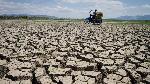
Murlan stated that land fires are the biggest threat to TNTP during the dry season, especially since the majority of its nature reserves consist of peat swamp areas. Therefore, from 2018 to 2023, TNTP managers have intensified the ecosystem restoration over an area of 7,244 hectares, independently or in partnership with the government, civil organizations, and the private sector.
"Patrols (fire prevention) are routinely carried out in 11 TNTP resorts," he said.
State revenue and tourist visits to Tanjung Puting increased in 2023 and the growth was claimed to be higher than the previous year. There are 39 community groups from 19 villages in the TNPT buffer zone that have received community empowerment programs. This program, said Murlan, has succeeded in improving welfare and reducing their dependence on nature.
IRSYAN HASYIM
Editor's Choice: Statements from Icom Walkie Talkie and Gold Apollo Pager Companies Regarding the Incident in Lebanon