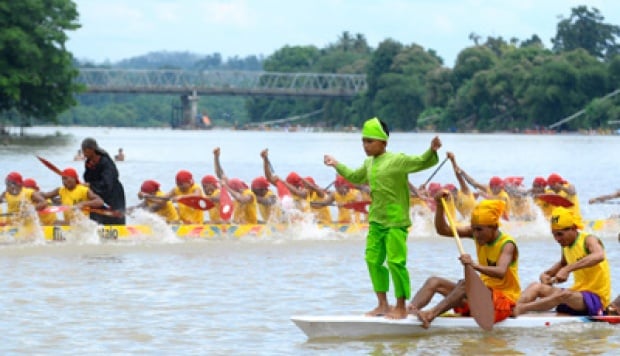
7 Interesting Facts About Pacu Jalur, Indonesia's Viral Traditional Rowing Race
Reporter
July 10, 2025 | 06:11 pm

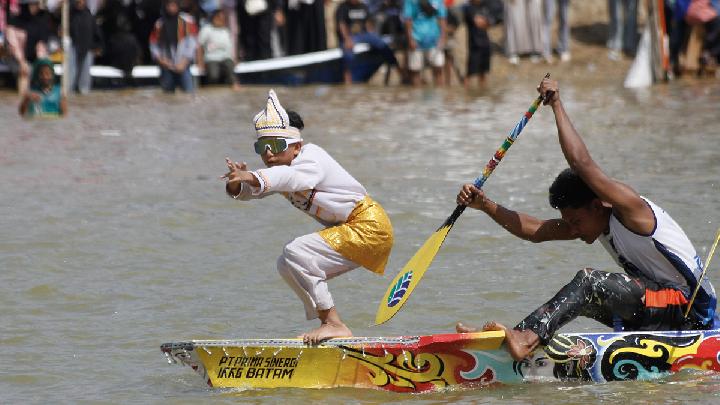
TEMPO.CO, Jakarta - A traditional rowing sport from Riau, Pacu Jalur, has recently attracted widespread attention from netizens after going viral across various social media platforms.
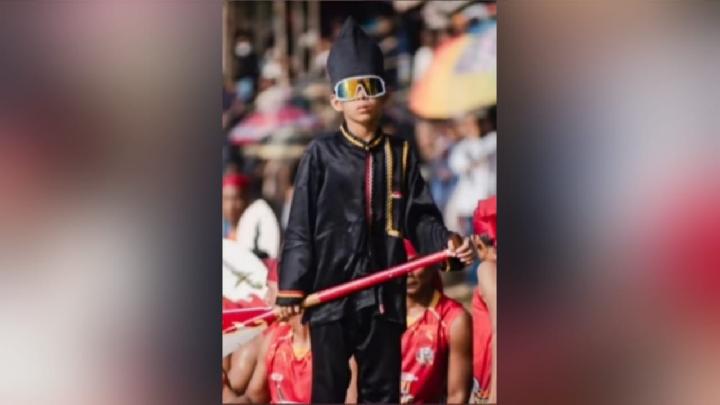
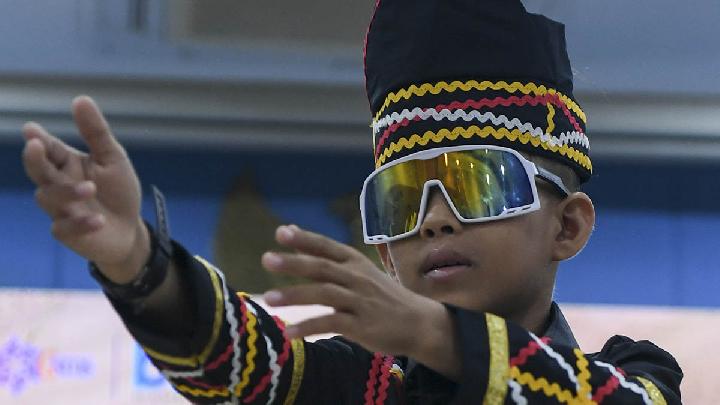
People both from Indonesia and abroad have created meme videos mimicking the unique movements of the dancer performing on the boat during the race.
One of the standout videos was posted by the official account of the French football club Paris Saint-Germain (PSG). In their post on Wednesday, July 2, 2025, PSG players were seen imitating the style of Rayyan Arkan Dikha, a dancer who gained popularity for his performance on the racing boat.
As the image of the tiny dancer continues to circulate online, here are several fascinating facts about Pacu Jalur that many may not yet know:
1. Includes Rituals and Local Beliefs
Pacu Jalur is deeply rooted in traditional practices and long-standing beliefs passed down through generations. The process of building a boat begins with rituals led by a shaman or caretaker. Specific types of wood must be chosen through ceremonies such as Babalian (a traditional dance with musical accompaniment) and Batonung (a spiritual wood-searching ritual).
Once the right wood is found, the community holds a menyemah ceremony, offering sesajen (ritual offerings) to honor the spirit believed to guard the tree.
2. Involves Thousands of Participants and Spectators
The scale of the Pacu Jalur festival is massive. In 2019, 175 boats participated with a total of 9,625 rowers, earning a record in the Indonesian World Record Museum (MURI).
In 2022, around 50,000 spectators gathered along the Kuantan River to witness the race.
3. Held on Important Dates
Pacu Jalur dates back to the Dutch colonial era, when it was held to celebrate Queen Wilhelmina’s birthday in August. After Indonesia’s independence, the race began to align with major national and religious holidays, such as the Prophet Muhammad’s birthday, Eid al-Fitr, and Indonesia’s Independence Day.
4. Uses a Cannon for the Starting Signal
To manage the large number of teams and the race's long distance, a cannon is used to signal the start. The first blast calls teams to the start line, the second signals readiness, and the third marks the beginning of the race. The loud cannon ensures that the signal is heard throughout the venue.
5. Featured as a Google Doodle
On Indonesia’s 77th Independence Day, Pacu Jalur was featured as a Google Doodle. The illustration, created by Wastana Haikal, showed rowers working in unison, reflecting the event’s spirit of cooperation and unity, as well as national pride and diversity.
6. Promotes Cooperation and Community Values
Beyond competition, Pacu Jalur reflects strong social values such as mutual cooperation and consultation. From community meetings known as Rapek Banjar to the search for suitable wood and the boat’s construction and decoration, all stages involve collaborative efforts by the community.
7. Originated as a Mode of Transportation
The history of Pacu Jalur began with a utilitarian function: as a means of transportation for the people along the Kuantan River in the 17th century. The watercourse was made from intact wooden logs and could carry 40 to 60 people.
These boats were originally used to transport crops such as bananas and sugar cane. However, over time, the watercourse was adorned with distinctive ornaments and changed its function to become a symbol of social status and a race full of cultural significance.
Yunia Pratiwi, Ni Kadek Trisna Cintya Dewi, and Khumar Mahendra contributed to the writing of this article.
Editor's Choice: The Rising Popularity of Pacu Jalur After Viral 'Aura Farming' Phenomenon
Click here to get the latest news updates from Tempo on Google News